Supplying Aggregates, Concrete, Rolled Metal, and Reinforced Concrete to Construction Projects in Kirov
Complete Supply Solutions for Construction Projects in Kirov, Russia
Kirov’s construction market demands materials that stand up to a continental climate, tight timelines, and strict regulatory standards. Supplying *aggregates, ready-mix concrete, rolled metal,* and *reinforced concrete products* to projects in Kirov requires local knowledge, dependable logistics, and rigorous quality control. This article outlines what contractors, developers, and project managers should expect and request from suppliers to ensure durable, cost-effective results.
Regional considerations — why Kirov is different
— Continental climate with cold winters and frequent freeze–thaw cycles — materials must be frost-resistant and durable.
— Local geology: availability of sand, gravel, and crushed stone from nearby quarries can reduce transport costs.
— Transport nodes: road and rail connections and river access via the Vyatka River influence delivery options and lead times.
— Regulatory environment: compliance with Russian standards (GOST) and national construction codes (SP/SNiP frameworks) is essential.
Key product categories and specifications
Aggregates (sand, gravel, crushed stone)
— Typical types: fine sand, coarse sand, river sand; crushed limestone, granite, and trap rock; graded gravel.
— Important properties: grain size distribution, cleanliness (clay and silt content), frost resistance, and angularity for concrete bonding.
— Standards: ensure compliance with relevant GOST specifications (e.g., GOST 8736 for sand).
— Storage & handling tips: store under cover or in raised bays to prevent moisture contamination and freezing.
Ready-mix and site-mixed concrete
— Product range: standard structural concrete (B15–B40 classes), frost-resistant mixes (F150–F300+), high-strength and lightweight formulations, and specialty mixes with additives.
— Admixtures: plasticizers, air-entraining agents (critical for freeze–thaw durability), accelerators/antifreeze for winter concreting.
— Testing: slump, air content, and compressive-strength testing at standard intervals — insist on certified test reports.
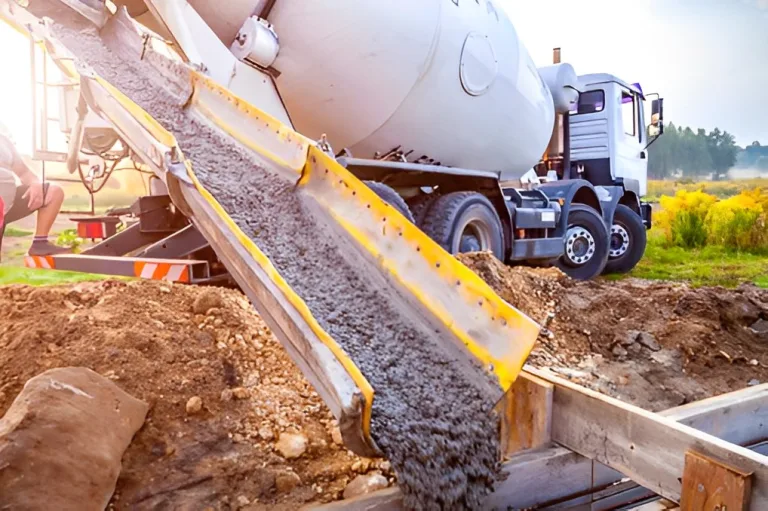
— Delivery: mobile batching or centralized plant; for Kirov winters, heated mixing and insulated transport are important to avoid freeze-related defects.
Rolled metal (hot-rolled steel, channels, beams, sheets)
— Common products: I-beams, H-beams, channels, angles, steel plates, coils, reinforcing bars (rebar) of required classes.
— Surface treatment: galvanized or painted coatings for corrosion protection in exposed conditions.
— Fabrication services: cutting, drilling, bending, and prefabrication to reduce onsite welding and speed erection.
— Standards & certification: compliance with GOST/EN specifications and mill test certificates for traceability.
Reinforced concrete (precast elements and bespoke products)
— Precast elements: wall panels, stair flights, floor slabs (ribbed or hollow-core), lintels, columns, and piles.
— Cast-in-place options: bespoke beams, columns, and foundations cast with local formwork systems.
— Reinforcement quality: use certified rebar, correct concrete cover, and verified anchorage detailing to resist local loads and frost.
— Logistics: careful scheduling of precast deliveries and crane availability to avoid hold-ups.
Quality assurance and regulatory compliance
— Require mill certificates and GOST conformance for steel and aggregates.
— Verify concrete mix designs and compressive strength certificates (28-day tests).
— Onsite QA: continuous inspection for batching accuracy, placement, curing, and protection against freezing.
— Documentation: delivery notes, certificates of conformity, and test reports must accompany materials.
Logistics and scheduling best practices
— Order aggregates and rolled metal early to avoid seasonal shortages; lead times can increase before spring and after major local projects.
— For ready-mix concrete, plan pour windows and secure pumps/cranes in advance — delays cause waste and rework.
— Use local quarries and plants where possible to cut transport costs and reduce carbon footprint.
— Temporary storage: cover stockpiles and maintain segregation of different aggregate fractions.
Winter construction strategies for Kirov
— Use antifreeze admixtures, heated mixing water, and insulated delivery agitators for concrete.
— Employ air-entraining admixtures to improve freeze–thaw resistance.
— Plan for accelerated curing or heated enclosures for critical structural elements.
— Protect fresh concrete from rapid cooling and de-icing salts that can reduce long-term durability.
Cost optimization without sacrificing quality
— Consolidate orders for multiple materials with a single supplier to reduce handling and logistics costs.
— Favor locally sourced aggregates to minimize transport fees.
— Specify prefabrication where feasible to reduce onsite labor and weather exposure.
— Compare life-cycle costs — investing in frost-resistant concrete and proper coatings can reduce maintenance costs over decades.
Environmental and safety considerations
— Prefer suppliers following environmental best practices: controlled quarrying, dust suppression, and efficient water use.
— Ensure safe handling of heavy rolled metal and precast units — certified lifting gear and trained operators are essential.
— Reuse and recycle surplus concrete and steel where regulations permit.
Choosing the right supplier in Kirov
Look for suppliers who offer:
— Full material range (aggregates, concrete, rolled metal, precast reinforced concrete) and fabrication services.
— Local presence and knowledge of regional climate and logistics.
— Certified quality systems, test reports, and traceability documents.
— Flexible delivery options and winter construction support.
Conclusion
Supplying successful construction projects in Kirov means matching materials and services to regional challenges: frost resistance, reliable logistics, and verified quality. Partnering with a supplier that can deliver aggregates, ready-mix and specialty concrete, rolled metal, and reinforced concrete elements in a coordinated way saves time, controls costs, and improves long-term performance.
Action steps
— Audit your project schedule against seasonal risks and order lead times.
— Request GOST certificates and recent test reports from potential suppliers.
— Plan for winter concreting measures if your timeline includes cold months.
— Seek integrated suppliers that can manage material bundles and prefabrication to streamline construction.