Supplying Aggregates, Concrete, Rolled Metal, and Reinforced Concrete for Construction Projects in Kirov, Russia
Reliable Materials Supply for Construction Projects in Kirov
Construction in Kirov demands material partners who understand the local climate, logistics and regulatory environment. Supplying high-quality aggregates, ready‑mix concrete, rolled metal and precast reinforced concrete elements efficiently and reliably helps builders meet schedules, control costs and ensure long‑term performance.
Key Products and Their Benefits
— Aggregates (sand, gravel, crushed stone)
— Foundation of concrete mixes and base layers.
— *Importance*: Proper gradation and cleanliness ensure workability and strength.
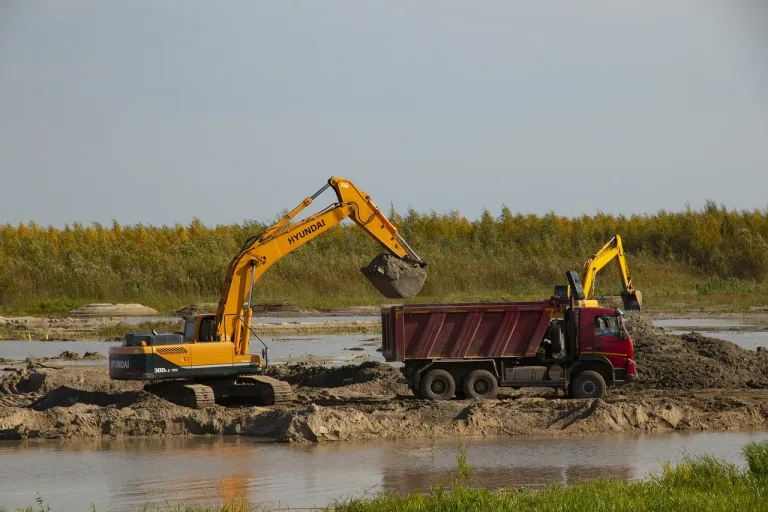
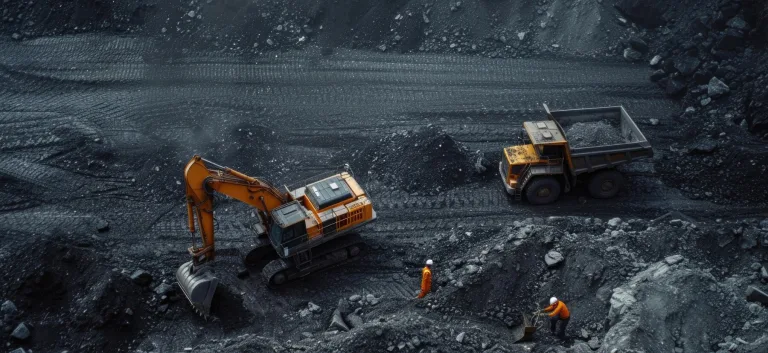
— Local supply reduces haulage costs and helps meet production timelines.
— Ready‑mix concrete
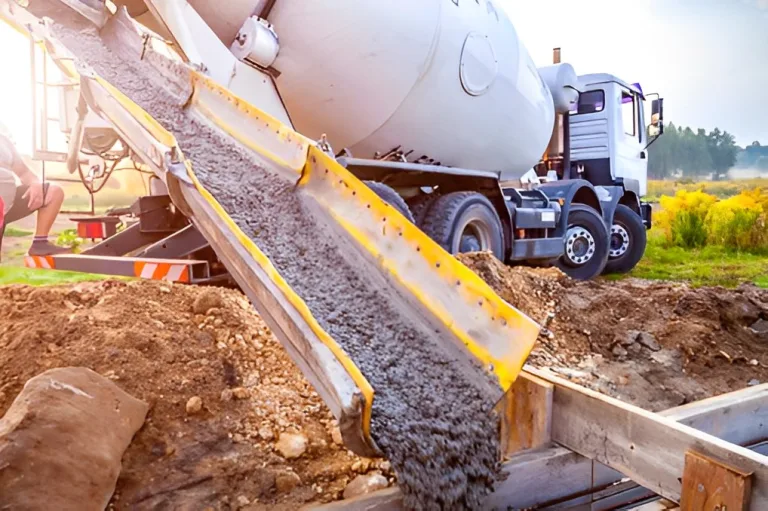
— On‑site pouring with controlled mix design and consistent quality.
— *Advantages*: Reduces on-site batching variability, speeds construction, and enables reliable strength gains.
— Winter-grade mixes and admixtures are essential for cold-weather pours.
— Rolled metal (steel profiles, sheets, structural sections)
— Used for frames, ties, reinforcements and temporary works.
— *Benefits*: Precision-manufactured sections, uniform mechanical properties and fast installation.
— Surface treatments (galvanizing, painting) extend service life in open environments.
— Reinforced concrete (precast and cast‑in‑place)
— Precast elements (beams, slabs, staircases, columns) accelerate schedules and improve quality control.
— Cast-in-place reinforced concrete gives flexibility for unique geometries and monolithic structures.
— Proper reinforcement detailing and corrosion protection are critical for durability.
Local Considerations for Kirov Projects
— Climate and seasonality
— Cold winters and spring thaw create freeze–thaw cycles that affect concrete curing and durability.
— Plan for winter concreting: heated mixing, accelerating admixtures, thermal blankets and staged pours to avoid cold joints.
— Logistics and transport
— Coordinate deliveries to avoid site congestion and delays—especially during spring road restrictions or seasonal river transport limitations.
— Use local quarries and fabrication yards where possible to shorten lead times.
— Standards and certification
— Ensure materials comply with applicable Russian national standards (quality certificates and mill/test reports).
— Establish a supplier quality assurance program: incoming material checks, traceability and batch test results.
— Durability and corrosion protection
— For metal elements and reinforcement, specify protective coatings or galvanization depending on exposure.
— Consider low-permeability concrete, adequate cover, corrosion inhibitors or epoxy-coated rebar in aggressive environments.
Best Practices for Procurement and On‑Site Handling
— Prequalification: Audit suppliers for production capacity, certifications, testing facilities and delivery reliability.
— Mix design and testing: Approve trial mixes for local aggregates and admixtures; verify slump, air content and early/28‑day strength.
— Scheduling: Stagger deliveries for just‑in‑time use; plan backups for extreme weather.
— Storage: Keep aggregates covered, steel dry and precast elements on stable supports. Protect fresh concrete from rapid temperature changes.
— Quality control: Maintain site testing (cubes/cylinders), inspection of reinforcement, and documentation for each pour and delivery.
— Environmental & waste management: Recycle washout water where possible and use recycled aggregates when consistent with project requirements.
Solutions to Common Challenges
— Cold-weather concreting: use warm aggregates/water, chemical accelerators, insulated formwork and curing blankets.
— Long lead times for customized rolled metal profiles or heavy precast elements: finalize shop drawings early and include buffer time in the schedule.
— Corrosion risk: specify appropriate cover, use protective coatings, or select stainless/galvanized reinforcement for critical areas.
Why Choose a Local, Full-Service Supplier
— Faster responsiveness to site queries and emergency orders.
— Easier coordination for testing, certification and deliveries.
— Knowledge of regional construction practices, permitting and transport constraints.
— Ability to offer bundled services—aggregates, ready‑mix, fabrication and logistics—streamlining procurement and reducing interfaces.
Action Steps for Developers and Contractors in Kirov
1. Define material specifications and exposure classes in project documents.
2. Prequalify two to three local suppliers and request sample deliveries and test reports.
3. Integrate material delivery windows into the construction schedule, accounting for winter restrictions.
4. Establish on‑site QA procedures and appoint a materials coordinator.
5. Agree on liability, documentation and remediation processes before first delivery.
For construction projects in Kirov, partnering with experienced suppliers of aggregates, concrete, rolled metal and reinforced concrete minimizes risk and keeps projects on time and on budget. Prioritize certified materials, winter-ready production capabilities and clear logistics planning to ensure durable, cost‑effective results.