Supplying Aggregates, Concrete, Rolled Metal and Reinforced Concrete for Construction Projects in Kirov, Russia
Supplying Aggregates, Concrete, Rolled Metal and Reinforced Concrete in Kirov
Kirov and the surrounding Vyatka region continue to see steady construction activity—from residential housing and industrial facilities to roads and municipal projects. Reliable supply of aggregates, ready-mix concrete, rolled metal and precast reinforced concrete is central to on-time, on-budget delivery. This article outlines what contractors and builders in Kirov should consider when sourcing these materials, with practical tips for procurement, logistics and quality control.
Key materials and their typical uses
— Aggregates
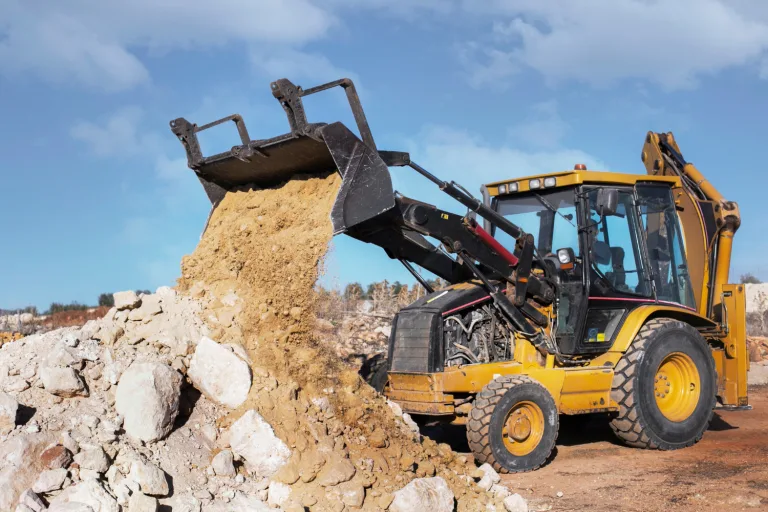
— *Sand, crushed stone (gravel), crushed rock, screened gravel* — base courses, concrete mixes, bedding and levelling layers, backfill.
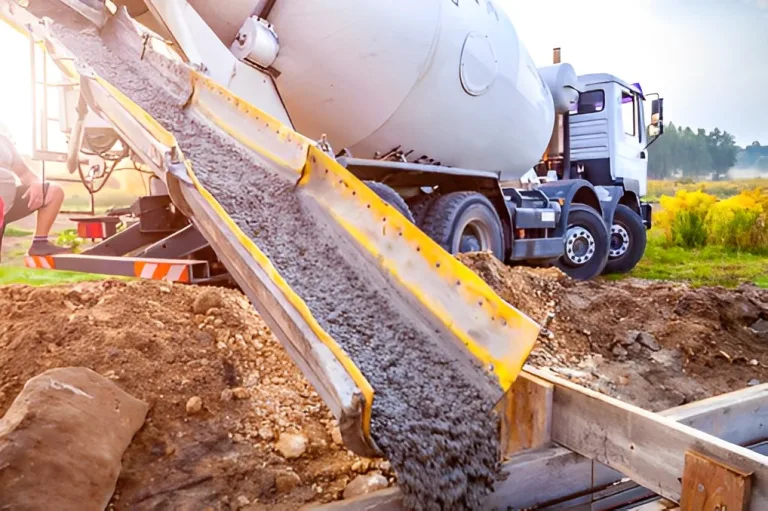
— Ready-mix concrete
— *Cast-in-place concrete, pumped concrete mixes, specialty mixes (Frost-resistant, low-heat, high-strength)* — foundations, slabs, columns, beams.
— Rolled metal
— *Rebar (A240–A500 equivalents), hot-rolled I-beams, channels, sheets, angle iron* — reinforcement, structural frames, temporary works.
— Reinforced concrete (precast and cast-in-place)
— *Precast panels, hollow-core slabs, piles, stair flights, lintels and beams* — speed up erection, improve quality control and reduce formwork labor.
Why Kirov is a practical base for supplies
— Strategic transport: Kirov’s transport network (road, rail and river access on the Vyatka) supports deliveries across the region.
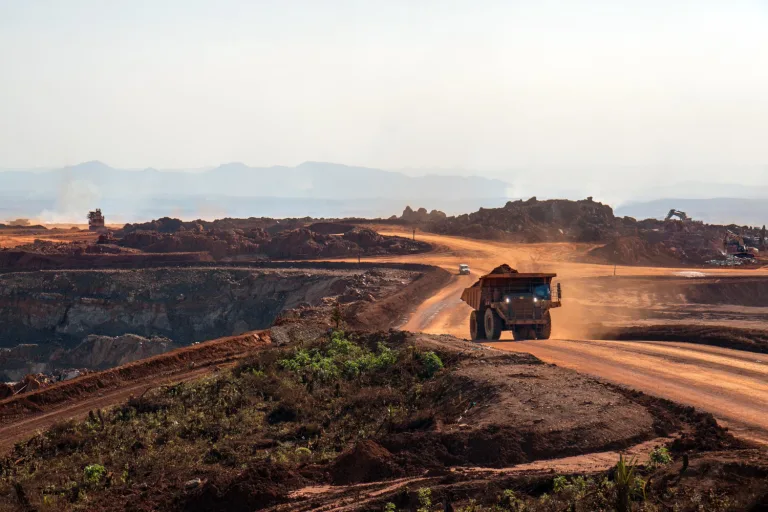
— Local quarries and plants: Presence of local aggregate sources and concrete/RC producers reduces haul distances and lowers transport cost.
— Climate considerations: Suppliers in Kirov are experienced handling seasonal constraints (freeze–thaw, winter concreting) and offering appropriate mixes and additives.
Logistics and delivery considerations
— Timeliness: Schedule concrete deliveries to match pour windows; for long hauls factor in traffic, weather and pump availability.
— Access & staging: Confirm site access for heavy trucks, turning radii, weight limits on approaches and space for offloading rolled metal and precast elements.
— Unloading equipment: Specify crane or forklift access for precast panels and rolled metal bundles; ensure ground bearing capacity for staged loads.
— Volume sizing:
— Concrete: order in cubic meters (m3). Use length × width × height to calculate required volume. Add 3–10% contingency for waste and uneven surfaces.
— Aggregates: can be ordered by m3 or tonnes. Typical conversions (approximate): 1 m3 sand ≈ 1.6 t; 1 m3 crushed stone ≈ 1.4–1.6 t — confirm with supplier.
— Rolled metal and reinforcement: order by mass (tons) and by cut lengths or coils as required.
Quality and compliance
— Standards: Require materials compliant with Russian standards (GOST) and applicable SNiP norms for structural works. Ask suppliers for certificates of conformity and test reports.
— Concrete testing: Insist on batch certificates, compressive strength tests (cubes/cylinders) and slump (workability) documentation. Consider independent testing on critical projects.
— Aggregates: Request granulometry and contamination analysis (fines, clay) to avoid durability and workability issues.
— Rolled metal and rebar: Verify grades, mill certificates and bend/re-bend performance. For reinforcement, request delivered weight certificates.
Ordering and procurement tips
— Consolidate orders: Larger, consolidated deliveries often reduce per-unit transport costs and simplify scheduling.
— Lead times: Precast and special rolled sections require longer lead times—plan procurement during design phase.
— Pump and placement: Specify whether a pump is included or if you will supply placement equipment. For pumped concrete, verify mix suitability and pipeline length limitations.
— Winter concreting: For pours in cold weather, confirm availability of heated concrete, antifreeze admixtures and insulated transport.
— Storage on site: Protect aggregates from erosion and contamination; store rebar off the ground, covered and supported to prevent corrosion.
Practical checklist before ordering
— Project specs: required grades, volumes, and delivery schedule.
— Site info: coordinates, access routes, allowable time windows.
— Handling needs: cranes/forklifts, temporary storage zones and staging area dimensions.
— Quality documentation required: GOST certificates, batch test reports, mill certificates.
— Payment and invoicing terms; agreed penalties for late deliveries if critical.
— Contacts: site foreman, logistics coordinator, supplier contact and backup phone.
Cost control and value strategies
— Optimize mix design: Work with suppliers to choose cost-effective mixes that meet structural and durability requirements without overspecifying.
— Use local aggregates where appropriate: Reduces transport costs but confirm quality.
— Precast vs cast-in-place: Precast elements reduce on-site labor and schedule risk—evaluate total cost including transport and lifting.
— Reuse and recycling: Consider crushed recycled concrete for sub-base layers where standards permit.
Environmental and regulatory notes
— Dust and runoff control: Ensure suppliers and site practices include dust suppression and sediment control for aggregate handling.
— Quarry permits and waste disposal: Confirm supplier compliance with local environmental regulations and proper disposal pathways.
Final recommendations
— Start material procurement early—especially for precast, specialty mixes and rolled metal that require fabrication.
— Insist on documentation: certificates, test results and weight/volume confirmations on delivery.
— Use experienced local suppliers familiar with Kirov’s climate and logistics to reduce risk.
— Keep a 3–10% contingency on volumes and a formal delivery schedule tied to your pour calendar.
For an effective procurement process in Kirov, align design, supply and site teams early to lock in specifications, lead times and logistics. Proper planning of aggregates, concrete, rolled metal and reinforced concrete supply will protect your schedule, quality and budget.