Supply Solutions for Construction in Kirov: Aggregates, Concrete, Rolled Metal, and Reinforced Concrete
Reliable material supply for Kirov construction projects
Construction in Kirov and the Kirov Oblast demands materials and logistics tuned to local climate, transport routes and building codes. Whether you are building foundations along the Vyatka, erecting industrial frames, or finishing municipal works, coordinated supply of aggregates, ready-mix concrete, rolled metal and reinforced concrete elements reduces delays and cost overruns.
What we mean by «full-scope supply»
— Aggregates: sand, crushed stone, gravel, and screened fines for bedding, concrete and asphalt.
— Concrete: ready-mix (standard, high-strength, frost-resistant), pumped concrete, shotcrete and specialized mixes with admixtures for winter concreting.
— Rolled metal: hot-rolled beams, channels, angles, sheet plates and merchant bar for structural frames and secondary elements.
— Reinforced concrete: precast panels, beams, slabs, pile elements, stair flights and custom reinforced products.
Why a single-source approach matters in Kirov
— *Faster coordination*: synchronized deliveries (concrete with reinforcement and aggregates) avoid idle crews and equipment.
— *Reduced handling*: fewer transfer operations cut damage and dust on-site.
— *Consistent quality control*: one point of accountability for tests, certificates and corrective actions.
— *Shorter lead times*: local stock and routing across regional rail/road links speeds up replenishment.
Technical and regulatory highlights
— Materials should comply with applicable Russian and regional standards and carry quality certificates (GOST and technical passports).
— For concrete in Kirov’s continental climate, *frost resistance* and *workability* are critical:
— Use frost-resistant mixes, air-entraining admixtures and controlled curing.
— Winter concreting requires heated aggregates, anti-freeze admixtures and insulated formwork.
— Rolled metal and reinforcement must meet required mechanical properties and be protected from corrosion (galvanizing, primers, or protective coatings where specified).
Logistics and delivery options
— Concrete: delivered by mixer trucks, with concrete pumps for tall or congested sites; on-site batching when project scale justifies.
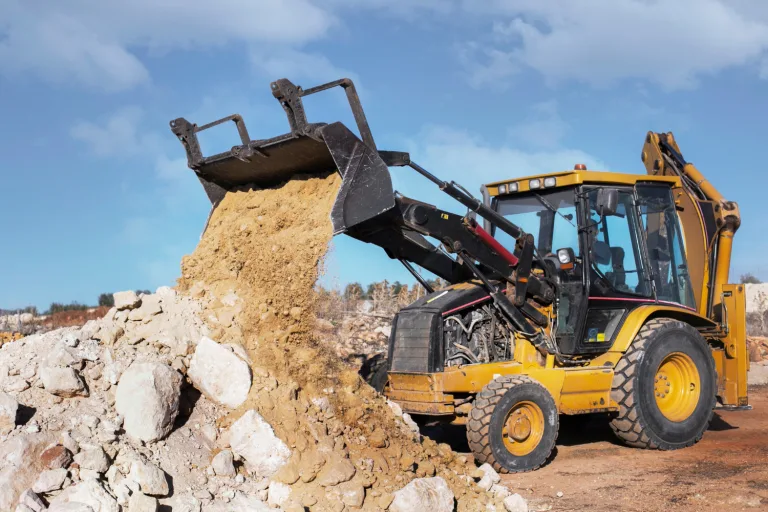
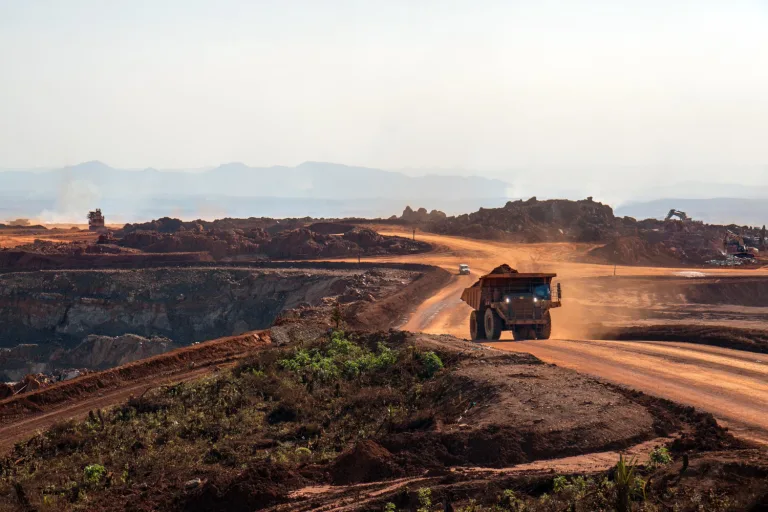
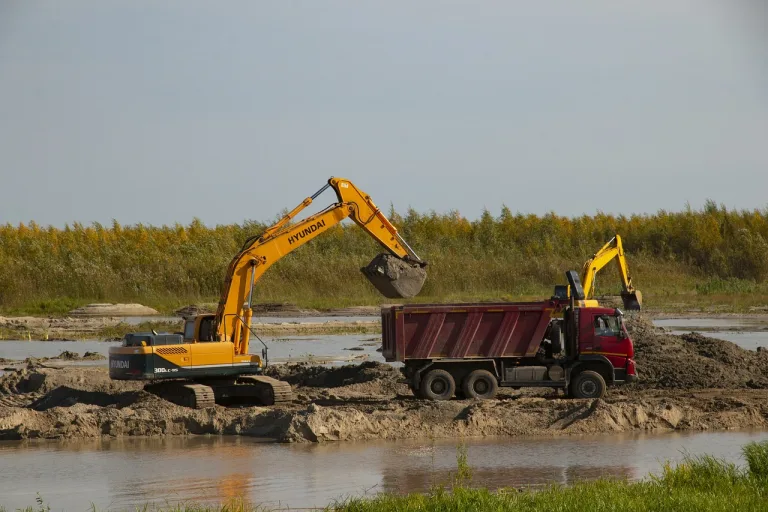
— Aggregates: bulk deliveries by dump trucks or rail hoppers for large volumes; staged stockpiles reduce stoppages.
— Rolled metal: flatbed or low-loader transport; protective packing and timely offloading with cranes.
— Precast reinforced concrete: delivered with certified lifting points and rigging plans; scheduling to match erection crews.
Practical considerations for Kirov:
— Winter transport windows require route planning and contingency for snow/ice.
— Coordinate municipal permits for oversized loads and off-hour deliveries to avoid traffic constraints.
Quality control and testing
— Incoming aggregates: sieve analysis, dust/mud content, and moisture measurement.
— Concrete: slump, temperature, and compressive strength tests (standard cube/cylinder schedule).
— Reinforcement and rolled metal: verification of grade marks, chemical/mechanical certificate checks and visual inspection for rust or deformation.
— Maintain traceability: batch numbers, test reports and delivery tickets retained for project records.
Handling and storage best practices
— Aggregates: store by fraction and cover to avoid freezing and contamination; protect from runoff.
— Reinforcement: store off the ground, under cover where possible; minimize bending/handling near delivery.
— Rolled metal and plates: stack with timber dunnage, protect edges and faces against corrosion.
— Concrete elements: plan short laydown times and protect precast surfaces with breathable covers.
Environmental and cost-efficiency measures
— Use recycled aggregates where allowed and verified for quality.
— Reduce waste by accurate take-offs and staged deliveries.
— Employ admixtures to increase durability and lower cement consumption where appropriate.
— Dust control on aggregate deliveries and washout water management for environmental compliance.
Typical Kirov projects served
— Residential foundations and floor slabs
— Industrial halls and metal-framed buildings
— Road base and municipal infrastructure
— Bridge abutments and precast structural elements
— Pile foundations and water-retaining structures
Quick ordering checklist (what to prepare before requesting a quote)
— Project address and access constraints (road width, overhead lines, permitted delivery hours)
— Material list with approximate quantities and grades (aggregates by fraction, concrete class, steel grade)
— Required delivery schedule and daily delivery windows
— Special requirements: winter concreting, pumping, on-site batching, coatings or galvanizing
— Lifting/handling equipment on site and required offloading assistance
Final recommendations
— Plan deliveries around seasonal constraints — place firm winter orders early and specify anti-freeze measures.
— Consolidate suppliers where possible to simplify logistics and quality tracking.
— Insist on certificates and sample test reports before first deliveries.
— Schedule a short site survey for complex access or heavy precast elements.
If you need a tailored supply plan for a specific project in Kirov — quantities, provisional schedule and transport options — prepare the checklist above and request a site visit or quote from local suppliers. A coordinated supply chain is one of the quickest ways to keep your schedule and budget on track.