Supply of Aggregates, Concrete, Rolled Metal and Reinforced Concrete for Construction Projects in Kirov, Russia
Overview
Supplying aggregates, ready‑mix concrete, rolled metal and reinforced concrete (prefab and cast‑in‑place elements) to construction projects in Kirov requires coordination between quarry sources, concrete plants, metal yards and logistics teams. Local sourcing reduces transport costs and delivery times, but the region’s climate and regulatory requirements (GOST standards and quality certificates) must be addressed in planning.
Key materials and typical specifications
— Aggregates
— Sand: natural and washed (0–2 mm) for mortar and concrete.
— Crushed stone: common fractions 5–10 mm, 10–20 mm, 20–40 mm for different concrete classes and base layers.
— Properties to check: grain size distribution, dust content, strength, frost resistance, and moisture content.
— Ready‑mix concrete
— Typical classes used: B7.5–B40 (select by structural need).
— Durability parameters: frost resistance (F values), water permeability (W), and required slump/slump retention.
— Admixtures: plasticizers, superplasticizers, antifreeze admixtures (for winter pours), accelerators and retarders.
— Rolled metal (rolled steel products)
— Profiles: I‑beams (двутавр), channels (швеллер), angles (уголок), flat bars, sheet plates, round and square bars, pipes.
— Rebar: common grades A400, A500 (ribbed), welded meshes and prefabricated cages.
— Surface/finish: black steel, galvanized or epoxy coated for corrosion protection where required.
— Reinforced concrete products
— Precast: hollow‑core slabs, wall panels, foundation blocks, piles, stair flights, beams and columns.
— Cast‑in‑place: reinforced elements poured on site using ready‑mix concrete and reinforcement cages.
— Quality: factory‑produced elements come with passports/certificates and controlled curing for consistent strength.
Logistics and delivery in Kirov
— Use local quarries and concrete plants around Kirov to minimize haul distance — reduces cost and risk of slump loss.
— Delivery vehicles:
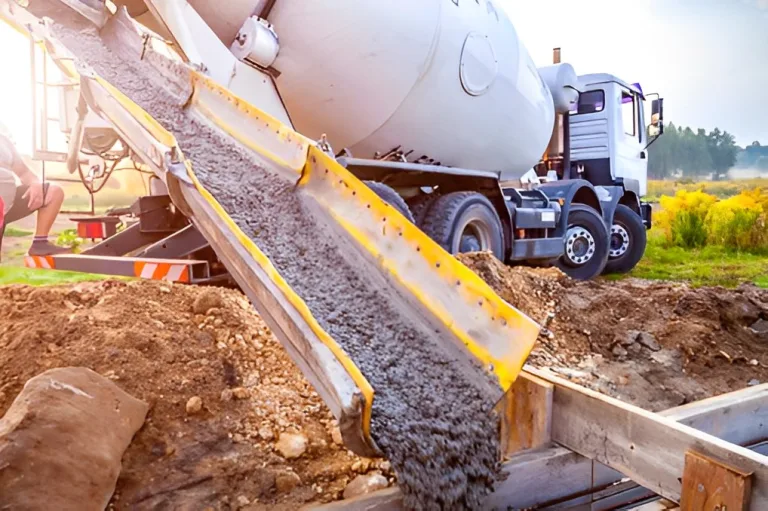
— Concrete mixers (ready‑mix) with timer and agitating control.
— Concrete pumps for heights and long reaches.
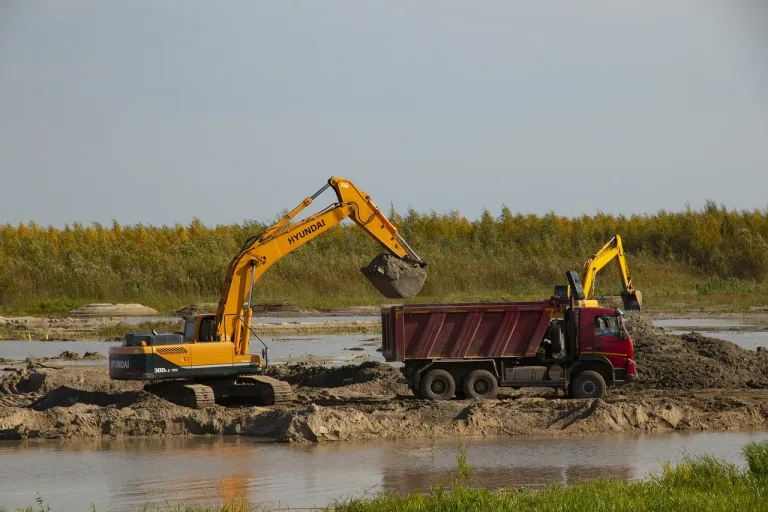
— Dump trucks and tippers for aggregates.
— Low‑bed trailers for heavy precast elements and rolled beams.
— Seasonal considerations:
— Winter: heated batching plants, winterized mixes (antifreeze admixtures), insulated mixer drums and formwork heating may be necessary.
— Protect aggregates (sand) from freezing and segregation — covered stockpiles and pre‑wetting management.
Quality control and compliance
— Require certificates of conformity / quality passports for each batch:
— Material certificates for aggregates and rolled metal.
— Mill certificates for rolled profiles and rebar.
— Concrete delivery tickets with class, slump, and admixtures used.
— On‑site testing:
— Slump test for each concrete batch.
— Cube/cylinder samples for 7‑ and 28‑day strength tests.
— Visual/measurement checks for delivered rolled metal (dimensions, straightness) and precast elements.
— Standards: adhere to applicable GOST and construction norms (project documentation should specify required classes and protective requirements).
Handling, storage and installation tips
— Store aggregates in segregated, raised stockpiles with drainage; cover sand for winter.
— Stack rolled metal off the ground on blocks; protect edges and apply temporary anti‑corrosion coatings when stored outdoors.
— Precast elements should be lifted with certified slings and spreader bars; plan crane access and temporary supports.
— Reinforcement: order bent cages or prefabricated cages to minimize on‑site labor; use mechanical couplers for critical splice zones if required.
Cost and schedule optimization
— Consolidate orders (bulk purchase of aggregates and rolled metal) to lower unit cost and minimize delivery runs.
— Synchronize concrete pours to use continuous delivery windows and avoid cold joints.
— Use prefabricated reinforced concrete elements where possible to reduce on‑site labor and accelerate schedule.
— Negotiate framework contracts with local producers for guaranteed supply and fixed pricing across the season.
Risk management and environmental considerations
— Plan for weather interruptions and have contingency mixes and heated storage for winters.
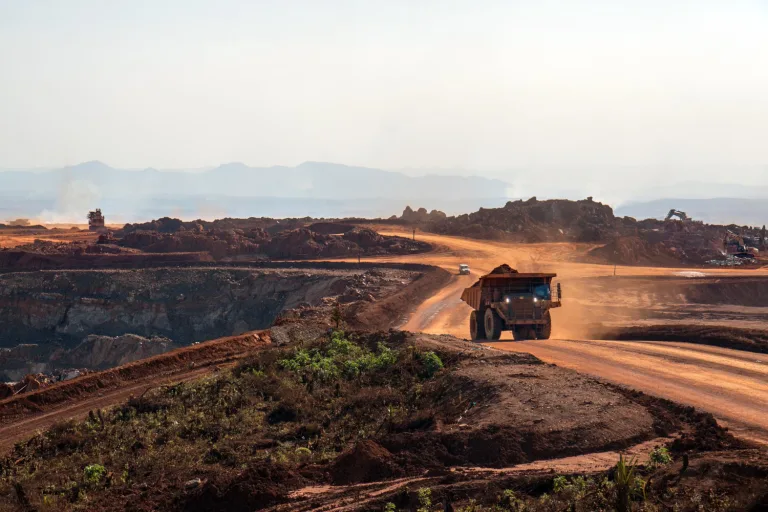
— Ensure supplier environmental compliance for quarrying and waste management — reclamation and dust control are important in approvals.
— Fire safety and handling procedures for metal cutting/welding and concrete curing processes.
Practical checklist before ordering
— Confirm structural class and protective requirements (concrete class B, frost resistance F, W).
— Obtain material certificates and delivery schedule from supplier.
— Verify transport and lifting equipment availability on site.
— Agree acceptance procedure (slump, sample cubes