Supplying Aggregates, Concrete, Rolled Metal and Reinforced Concrete for Construction Projects in Kirov, Russia
Overview
Kirov and the surrounding oblast are experiencing steady construction activity—residential developments, industrial facilities, road upgrades and municipal infrastructure. Reliable supply of aggregates, ready-mix concrete, rolled metal and precast reinforced concrete is essential to keep projects on schedule and within budget. This article outlines the product range, logistics, quality and practical considerations for contractors and developers working in the Kirov region.
Product Offering
— Aggregates
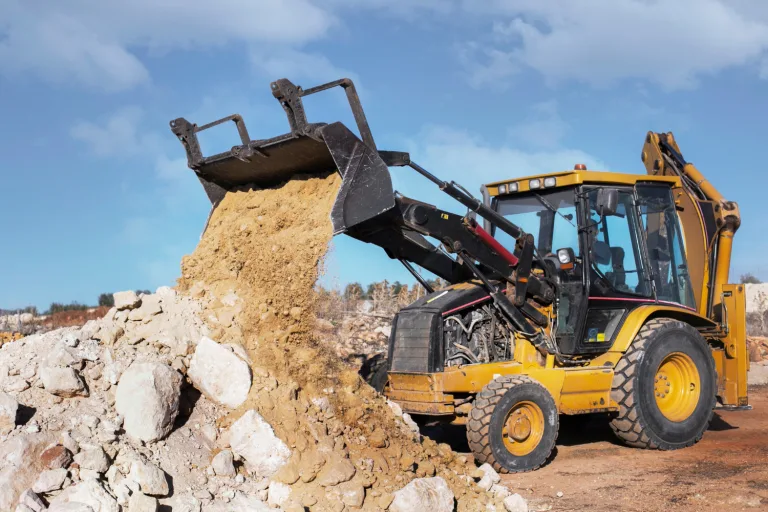
— Washed sand, coarse sand, crushed stone (granodiorite/granite), gravel, and specialty fills.
— Fraction sizes commonly stocked: 0–5 mm, 5–20 mm, 20–40 mm, 40–70 mm.
— Options for washed vs. unwashed, graded mixes and recycled aggregate on request.
— Ready-Mix Concrete
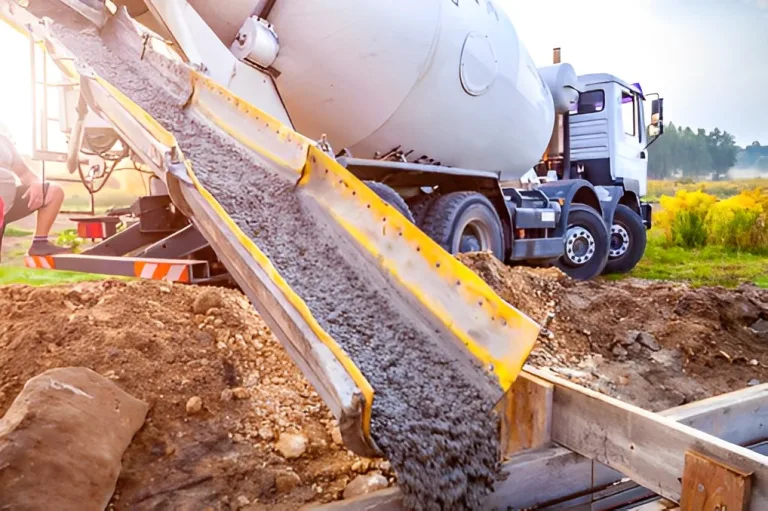
— Classes typically available: *B7.5–B40 (M100–M400)* for foundations, slabs, columns and structural elements.
— Specialized mixes: frost-resistant, sulfate-resistant, high-strength, fiber-reinforced, self-compacting and low-permeability mixes.
— Additives and admixtures: plasticizers, accelerators/retarders, antifreeze agents for winter concreting.
— Rolled Metal
— Hot-rolled beams (I-beams/dvutavr), channels, angles, flat bars, round and square bars, sheets and plates.
— Reinforcement steel (rebar) in grades A400, A500 and similar; smooth and deformed bars in common diameters.
— Cold-formed profiles and perforated metal for secondary structures and formwork.
— Precast Reinforced Concrete
— Standard and custom precast elements: foundation blocks, wall panels, floor slabs (hollow-core and monolithic types), beams, columns, stair flights, and fence panels.
— Reinforcement options and concrete grades selected to project load and exposure class.
— Turnkey precast delivery and installation coordination available.
Quality, Standards and Testing
— Materials are supplied in compliance with Russian industry standards: *GOST* and applicable *SNiP* requirements.
— On-site and factory lab testing for concrete strength, slump, air content, and aggregate grading.
— Traceability of batches, certificates of conformity and delivery documentation included.
— Quality control critical for seasonal risk zones—frost resistance (марка морозостойкости) and water impermeability for structures exposed to freeze-thaw cycles.
Logistics and Local Advantages
— Kirov’s position allows shipments by road and regional river transport (Vyatka basin) where applicable.
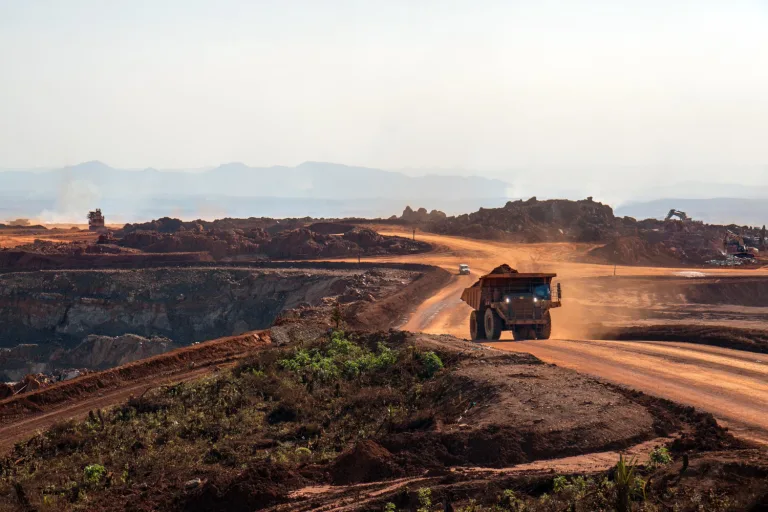
— Local quarries and batching plants reduce haul distances—lower transport costs and faster turnaround.
— Fleet options: concrete mixer trucks, pumps, low-bed trailers for precast elements, flatbeds for rolled metal and bulk aggregate carriers.
— Winter delivery strategies: heated storage, insulated mixer drums, use of anti-freeze admixtures and accelerated curing methods.
Practical Considerations for Project Managers
— Plan ordering volumes and delivery windows early to avoid seasonal bottlenecks (late autumn/winter).
— Specify required concrete class, slump and exposure class in tender documents to avoid substitution delays.
— Coordinate site access, crane/rigging for precast installation, and temporary storage for metal/aggregate deliveries.
— Consider prefabrication where possible to reduce on-site labor and accelerate schedules.
Cost Drivers
— Primary factors affecting price:
— Material class/grade (higher-strength concrete and steel grades cost more).
— Transport distance and load sizes.
— Seasonal premiums for winter concreting and special logistics.
— Complexity of precast manufacture (custom molds, additional reinforcement).
— Bulk contracts and long-term supply agreements typically secure better unit pricing and priority scheduling.
Sustainability and Waste Management
— Use of locally sourced aggregates minimizes transport emissions and supports regional industry.
— Recycled aggregates and secondary products available for non-structural applications.
— Proper management of wash water, concrete returns and steel offcuts required to meet environmental regulations.
Typical Use Cases in Kirov
— Residential complexes: ready-mix foundations, precast floor slabs and wall panels to speed construction.
— Industrial buildings: heavy rolled sections for frames, precast foundations and high-strength concrete floors.
— Road and civil works: graded crushed stone for base layers, concrete curbs, reinforced concrete culverts and bridge components.
— Municipal infrastructure: sewer rings, manhole elements and precast retaining structures.
Choosing a Supplier — Checklist
— Compliance with GOST/SNiP and availability of test certificates.
— On-time delivery record and suitable vehicle fleet for your site conditions.
— Technical support: mix design, pumping logistics, installation guidance.
— Flexible scheduling, winter concreting capability and emergency response.
— Competitive pricing with transparent terms and clear scope for delivery and acceptance.
Final Recommendations
For construction projects in Kirov, selecting suppliers with local presence, robust quality control and winter-capable logistics will reduce risk and keep timelines predictable. Early coordination between designers, contractors and suppliers—covering concrete classes, reinforcement details, precast dimensions and transport constraints—yields the best outcomes.
If you need a detailed supply plan, cost estimate or assistance specifying materials for a project in Kirov, request a site consultation and material samples from certified local suppliers to verify performance before large-scale delivery.